ML-augmented creative tools
Models unlock creative expression that would otherwise be impossible or infeasible. But which models, how are they steered, and where do they fit in the iterative loop of human creativity?
I love building creative tools and intelligent systems.
The highlights of my career have been owning meaningful parts of Heroku's cloud platform, Adobe's Photoshop, and Reve AI's chart-topping image model.
Meanwhile, I always have an experiment or three going to tinker with new ideas.
I'm also a husband, a dad, and a founding engineer at Reve AI.
Models unlock creative expression that would otherwise be impossible or infeasible. But which models, how are they steered, and where do they fit in the iterative loop of human creativity?
Bringing a mix of people and agents into productive collaboration is a whole new world of human-computer interaction. We're still learning how to split a system into mechanical and stochastic parts, steer emergent behavior without stifling intelligence, and balance correctness with responsiveness.
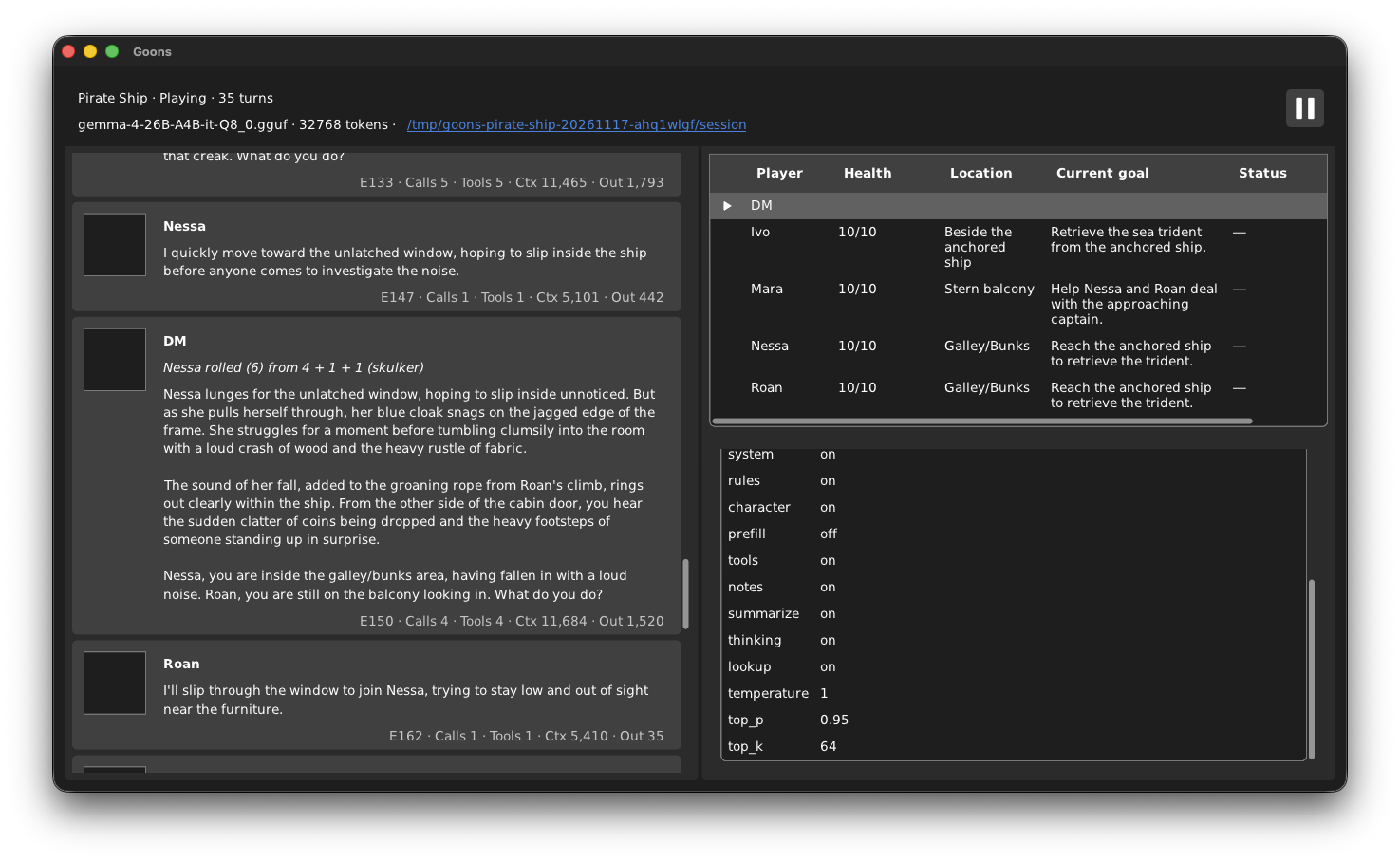
Zig can embed llama.cpp and weights into a standalone, single binary that can be statically cross-compiled for Windows, Mac, and Linux. It trivially builds C dependencies, like SDL3 for universal I/O: graphics, audio, keyboards, windows, gamepads, etc. It's easy to read, easy to write, fast to build, fast to run, and comes with a nice stdlib. While I'm still a Zig novice, I'm having a lot of fun with it.